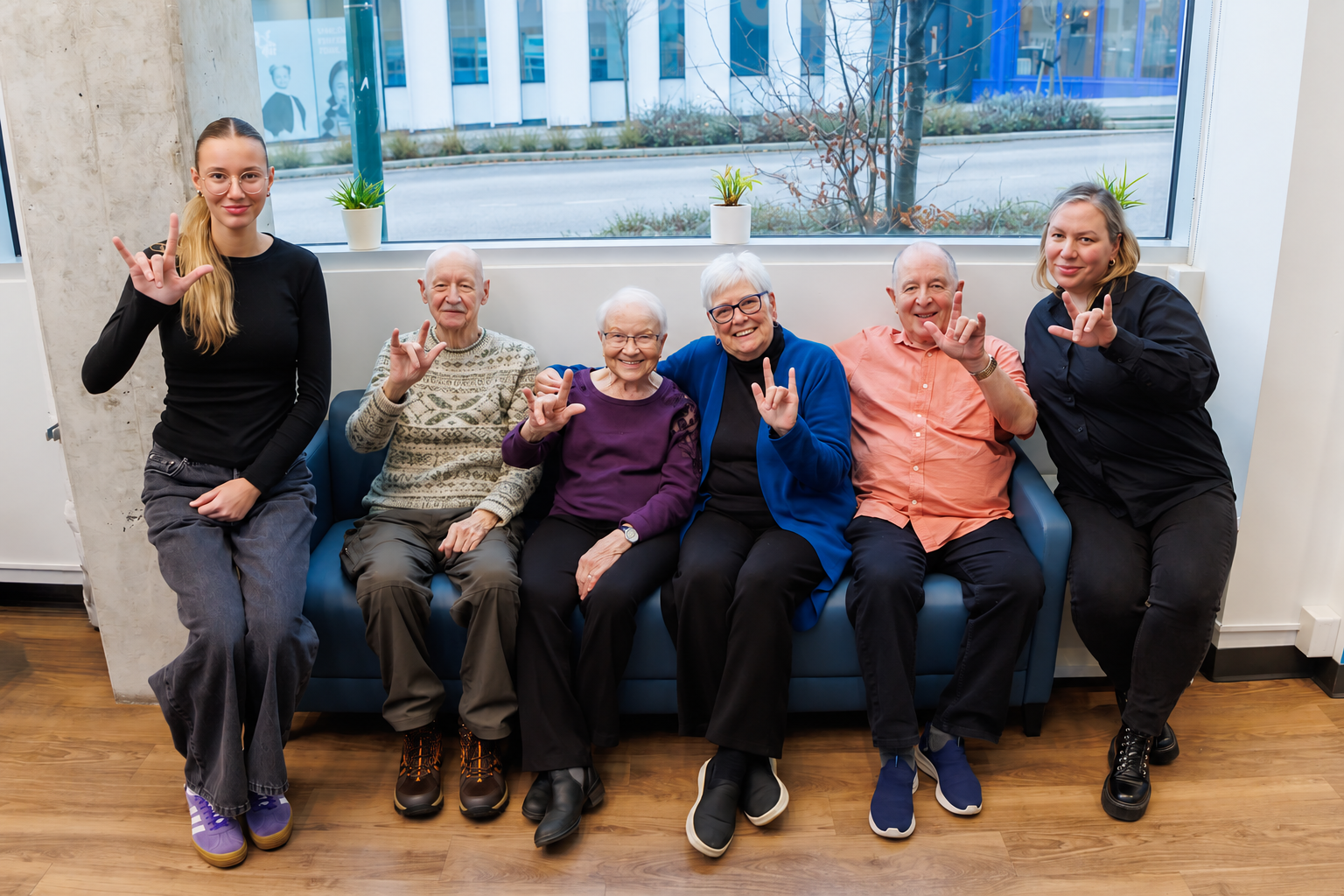
This year’s theme, “Declaring Deaf People’s Human Rights,” is a call to move beyond awareness and recognition toward meaningful action. It reminds us that communication access, equal opportunity, language, culture and full participation are human rights — not privileges.
The World Federation of the Deaf describes the week as a time for celebration, awareness and action, with daily themes exploring sign language rights, inclusive education, accessibility, Deaf leadership, Deaf culture and the continued advancement of human rights.
What do Deaf people’s human rights look like in everyday life?
Human rights can sound like a broad concept, but they are experienced in very practical ways.
They mean being able to access information in a language you understand. They mean having equitable access to education, employment and public services. They mean being included in decisions that affect your life. And they mean being able to participate fully in your community without communication barriers standing in the way.
For Deaf people, access to national sign languages is fundamental to many of these rights. The World Federation of the Deaf emphasizes that true accessibility must include sign language and that Deaf people must be at the centre of decisions affecting Deaf communities.
Removing barriers to employment
Employment is one area where communication access can have an enormous impact.
Every person deserves the opportunity to contribute their skills, earn a living and build a future. Yet inaccessible hiring processes and communication barriers can stand between a qualified Deaf candidate and meaningful employment.
Client Story: Mary Ann V. de Castro
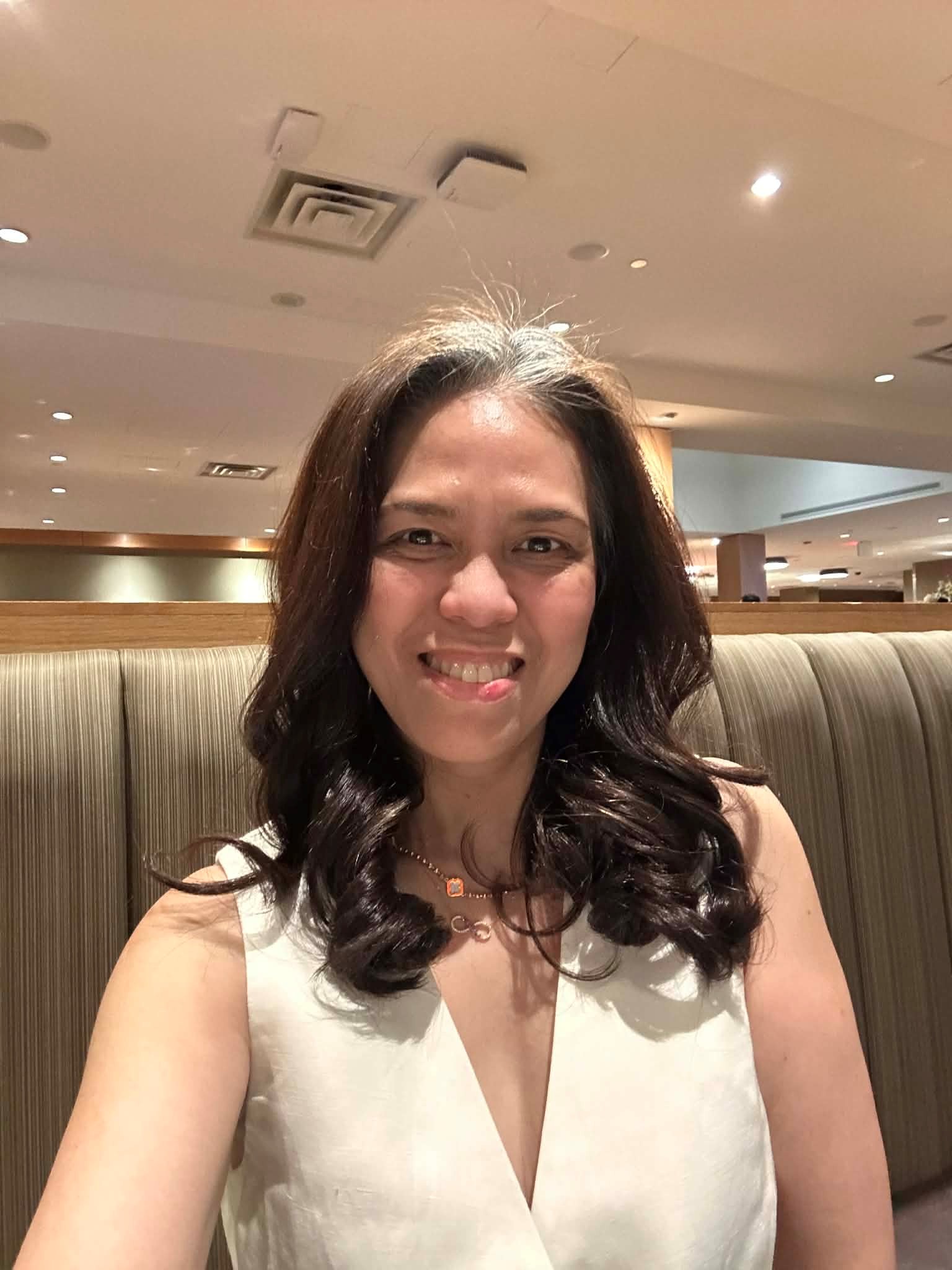
Mary Ann V. de Castro knows this experience well. Mary Ann has received employment support from Wavefront Centre since 2020.
When she began looking for work again, her Employment Placement Specialist helped her navigate applications, send resumes, respond to emails and connect with potential employers. With that support, Mary Ann was hired by Kardium.
“I’m so happy and grateful for all the support I have received and, from the bottom of my heart, thank you for continuing to be there for me.”
Mary Ann’s experience is one example of what can become possible when accessible, personalized support is available at the right time.
Rights require action
Throughout International Week of Deaf People, the World Federation of the Deaf is highlighting different dimensions of Deaf people’s human rights.
The week recognizes 20 years of the United Nations Convention on the Rights of Persons with Disabilities, explores the right to multilingual inclusive education, reinforces that there is “No Access Without National Sign Language,” champions “Nothing About Us Without Us,” and recognizes Deaf culture as a human right.
The week also carries special significance in 2026 as the World Federation of the Deaf marks its 75th anniversary. Founded in 1951, WFD now brings together 138 national member organizations in its work to advance the human and linguistic rights of Deaf people around the world.
Our commitment at Wavefront Centre
For 70 years, Wavefront Centre for Communication Accessibility has worked alongside people who are Deaf, DeafBlind and Hard of Hearing to reduce communication barriers and create greater opportunities for participation.
That includes helping people pursue meaningful employment, access communication, maintain independence and build connections within their communities.
International Week of Deaf People is an opportunity to celebrate Deaf identity, language and culture — but it is also an opportunity to consider what each of us can do to help create communities where accessibility is expected and barriers are addressed before they prevent participation.
Deaf people’s rights are human rights
Learn more about International Week of Deaf People 2026 and this year’s global campaign through the World Federation of the Deaf.
